
Future of Finance – Transparent, Fast, and Rewarding with SunFI
India Should Ready for Stablecoin, Says FM Nirmala Sitharaman
A Potential Paradigm Shift in India’s Cryptocurrency Stance
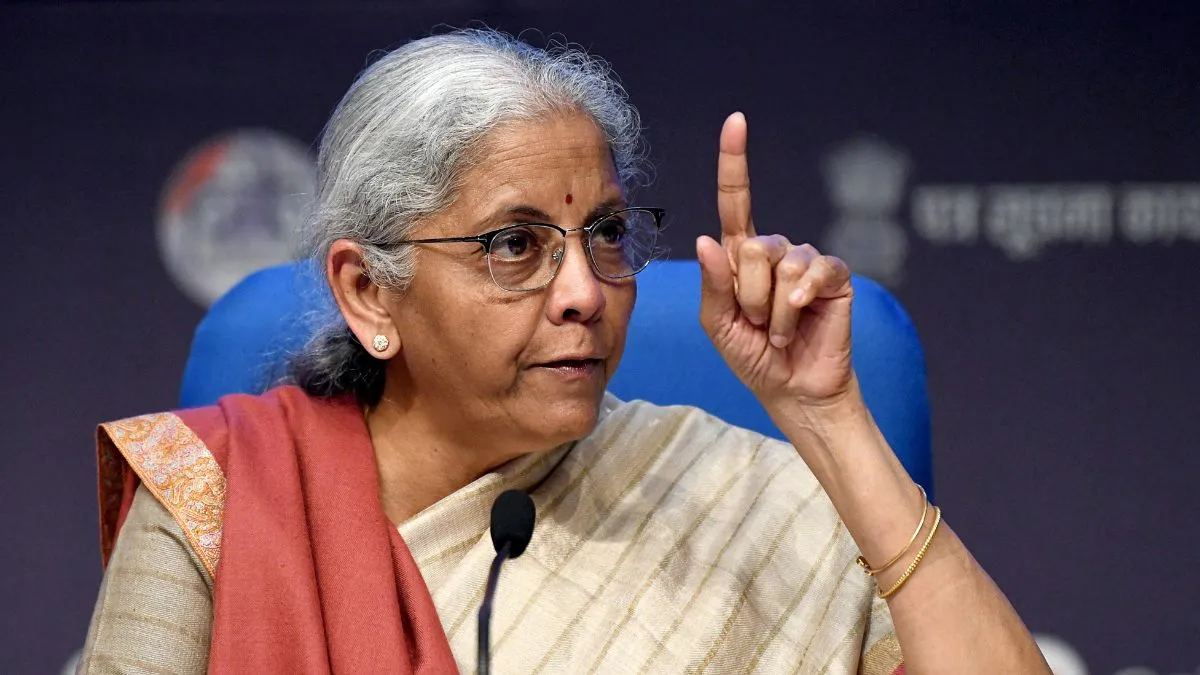
India stands at a critical juncture in its approach to digital assets as Finance Minister Nirmala Sitharaman signaled a notable shift in the country’s stance on stablecoins during the Kautilya Economic Conclave 2025 held in New Delhi on October 3, 2025. In a statement that has sent ripples through India’s cryptocurrency ecosystem, Sitharaman emphasized that nations must “prepare to engage” with stablecoins, marking what could be a significant departure from India’s historically cautious approach to private digital currencies.
Innovations like stablecoins are transforming the landscape of money and capital inflows. These shifts may force nations to make binary choices, adapt to new monetary architecture or risk exclusion,” declared the Finance Minister, underscoring the inevitability of this financial evolution. Her remarks acknowledge that “no nation can insulate itself from systemic changes” and that countries must engage with these transformations “whether we welcome these shifts or not”.
Understanding the Stablecoin Phenomenon
Stablecoins represent a distinct category within the cryptocurrency universe – digital currencies designed to maintain price stability by being pegged to underlying assets such as fiat currencies, precious metals, or other commodities. Unlike volatile cryptocurrencies such as Bitcoin or Ethereum, stablecoins aim to provide fixed value, typically maintaining a 1:1 ratio with assets like the US dollar or gold.
The global stablecoin market has experienced explosive growth, with the total market capitalization surging to approximately $302 billion as of October 2025, representing a 47% increase year-to-date. Tether (USDT) commands a dominant 58% market share with over $176 billion in circulation, while USD Coin (USDC) holds approximately 25% with a market cap exceeding $74 billion.
These digital assets have gained prominence due to their utility in cross-border payments, remittances, and international trade settlements. Stablecoins enable near-instant transactions at a fraction of traditional banking costs, operating 24/7 on blockchain networks without the delays associated with correspondent banking systems.
India's Evolving Cryptocurrency Framework
India’s relationship with cryptocurrencies has been characterized by regulatory ambiguity and cautious skepticism. While the country has not banned private cryptocurrencies outright, it has maintained a restrictive stance through punitive taxation measures rather than comprehensive regulatory frameworks.
Since April 2022, the Indian government has imposed a flat 30% tax rate on gains from Virtual Digital Assets (VDAs), which encompass cryptocurrencies, NFTs, and tokens. Additionally, a 1% Tax Deducted at Source (TDS) applies to transactions exceeding specified thresholds. This taxation regime-among the highest globally-permits no deductions except the cost of acquisition and prohibits setting off losses from crypto transactions against other income.
Despite these stringent measures, India leads global cryptocurrency adoption, ranking first for three consecutive years from 2023 to 2025, with over 100 million users and approximately $4.5 billion in holdings. However, the Reserve Bank of India (RBI) has consistently advocated for banning private cryptocurrencies, citing risks to monetary policy, capital controls, and financial system stability.
The RBI's CBDC Alternative: Digital Rupee Gains Momentum
While maintaining skepticism toward private cryptocurrencies, the RBI has been aggressively pursuing its own Central Bank Digital Currency (CBDC), known as the e-rupee or digital rupee. Launched as a pilot program in December 2022, the e-rupee represents a government-backed digital currency with legal tender status.
As of March 2025, the retail CBDC pilot has expanded to 17 banks with over 6 million users, and the value in circulation reached ₹1,016 crore (approximately $122 million), representing a staggering 334% increase from the previous year. The RBI has introduced innovative features including offline transactions and programmability—allowing funds to be designated for specific purposes with parameters such as expiry dates, geo-location, and merchant categories.
RBI Governor Sanjay Malhotra, speaking at the International Monetary Fund and World Bank meeting on October 15, 2025, reaffirmed the central bank’s preference for CBDCs over private cryptocurrencies or stablecoins. “We believe that in India, it is the CBDC and not crypto that holds promise,” Malhotra stated, urging other central banks globally to promote CBDCs for cross-border payments.